Is It Time to Replace Your Hot Water Tank?
If you're asking this question, something has already caught your attention: a weird noise, a puddle, water that isn't quite the right color. The short answer is that most tanks last 8 to 12 years, and once you're past that window and seeing one or more of the signs below, replacing the tank is usually the smarter move over another repair.
A hot water tank rarely fails without warning. It gives off small signals first, and once you know what they are, the decision gets a lot easier.
Check the Age First
Every tank has a serial number on the manufacturer's sticker, and the first digits usually encode the install date. If the tank is under eight years old, most issues are still worth repairing. Past twelve years, you're often paying for a fix on a tank that was going to fail soon anyway.
Discolored Water Is the Tank Talking
Rust-tinted hot water, especially from more than one faucet, points to corrosion happening inside the tank itself. This is different from rust in old pipes, which usually shows up at just one fixture. When it's coming from several taps at once, the tank's lining has broken down, and that's not something a repair can undo.
A Damp Floor Near the Tank
Water pooling at the base of the tank is one of the clearest signs you'll get. Sometimes it's a loose fitting. But if the tank body itself is wet, it has cracked internally, and a cracked tank only gets worse. In a basement or utility closet without a floor drain, that's worth acting on quickly rather than waiting to see what happens.

Popping or Rumbling When the Burner Kicks On
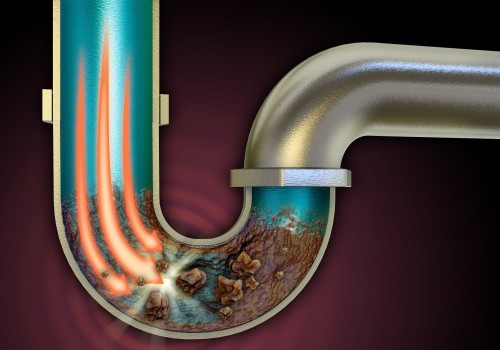
That sound is sediment that's built up and hardened at the bottom of the tank, boiling and popping under a heating element or burner. A professional flush sometimes buys a bit more time, but heavy sediment also makes the tank work harder to do the same job, which speeds up the wear that leads to the problems above.
Hot Water Running Out Faster Than It Used To
If nothing in the household has changed, no new appliances, no extra people, but showers are going lukewarm sooner, sediment has likely reduced the tank's usable capacity, or a heating element isn't working at full strength anymore.
The Repair Bill Keeps Climbing
One repair on an otherwise healthy tank is normal. A second or third within a year or two, especially on a tank already near the end of its expected life, usually means you're paying installments toward a replacement you'll need regardless.
Repair or Replace?
If you're only seeing one of these signs and the tank is under eight years old, repair is usually the right call. If you're seeing two or more, or the tank has already passed the 8 to 12 year mark, it's worth getting a straight answer before it fails on its own schedule rather than yours. A licensed plumber can check it in a few minutes and tell you honestly which side of that line you're on, and handle the water heater replacement correctly if that's the direction you need to go, including sizing and code requirements.
Frequently Asked Questions
Is a tankless water heater worth considering when replacing a tank?
It depends on your household's hot water demand and the existing gas or electrical setup, since tankless units often need upgraded venting or wiring. It's worth asking about during a replacement quote rather than assuming it's automatically the better option.
Can flushing the tank myself extend its life?
A basic flush is something many homeowners can do, and it helps with mild sediment buildup. Once a tank is already showing rust, leaks, or heavy sediment noise, though, a flush won't reverse the damage, it can only slow it slightly.
Does tank size affect replacement cost?
Yes, larger tanks and higher-capacity units generally cost more, and so does any venting or code-related work the new install requires. varies enough by household that it's worth getting a specific quote rather than a rule of thumb.
A tank showing two or more of these signs is worth a second opinion before it fails without warning.
Give Pioneer Plumbing & Heating a call for an honest assessment of whether your tank needs repair or full water heater replacement.